 FREESHIP FOR ALL ORDERS FROM 100$
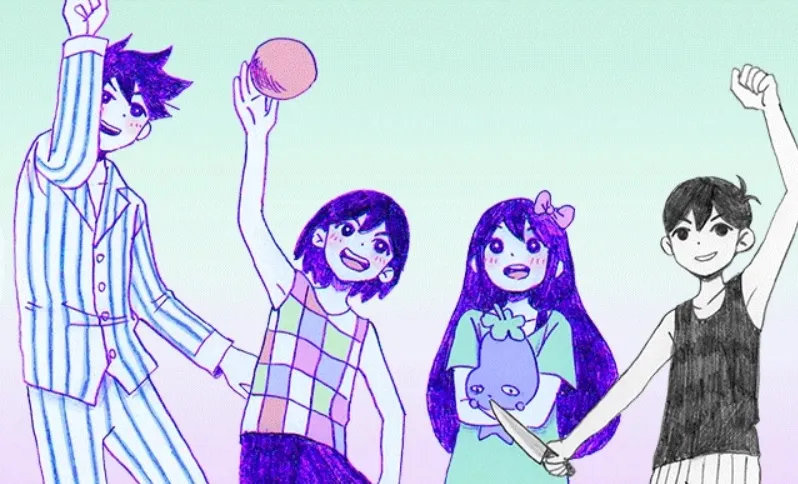
At first glance, OMORI appears to be a charming indie RPG filled with pastel colors, quirky humor, and adorable characters. Its art style feels soft and inviting, drawing players into a seemingly innocent world where friendship and imagination take center stage. However, beneath this gentle exterior lies one of the most emotionally intense and psychologically unsettling experiences in modern gaming. OMORI is not just a game—it is a journey into trauma, guilt, and the fragile nature of the human mind.
A Deceptively Wholesome Beginning
The game introduces players to a dreamlike world where the protagonist, Omori, explores vibrant environments alongside his friends. These early moments are filled with lighthearted dialogue, playful interactions, and classic turn-based RPG mechanics. Everything feels safe and nostalgic, reminiscent of traditional role-playing games.
Yet, even in these cheerful scenes, subtle hints suggest that something is not quite right. Strange imagery, unsettling transitions, and fragmented memories begin to appear. These small details create an underlying tension, quietly preparing players for the emotional depth that lies ahead.
Dual Worlds: Fantasy vs Reality
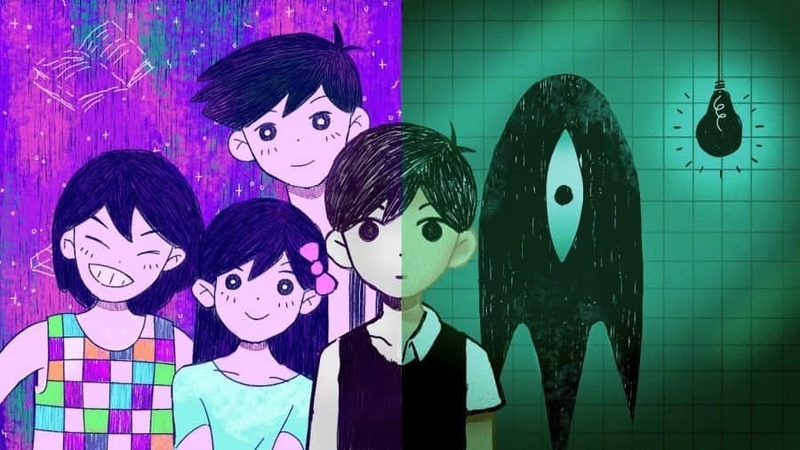
One of the most powerful aspects of OMORI is its dual-world structure. Players move between a colorful dream world and a much darker, more grounded reality. The contrast between these two spaces is striking.
In the dream world, everything is controlled, predictable, and comforting. In reality, however, the tone shifts dramatically. Silence, isolation, and emotional weight dominate the experience. This contrast is not just stylistic—it reflects the protagonist’s internal struggle.
As the story progresses, the line between these two worlds begins to blur. Players are forced to confront the idea that the dream world is not an escape, but a coping mechanism hiding something deeply painful.
Storytelling That Hits Hard
What sets OMORI apart from other indie RPGs is its storytelling. Instead of relying on constant exposition, the game reveals its narrative gradually through symbolism, environmental design, and emotional moments.
Themes of grief, depression, and denial are explored with remarkable sensitivity. The game does not rush its revelations. Instead, it builds tension slowly, allowing players to form attachments to characters before confronting them with difficult truths.
When the story’s central twist is finally revealed, it lands with incredible emotional impact. It is not just surprising—it is devastating. Players are left to process what they have experienced, often reflecting on the story long after the game ends.
Psychological Horror Done Differently
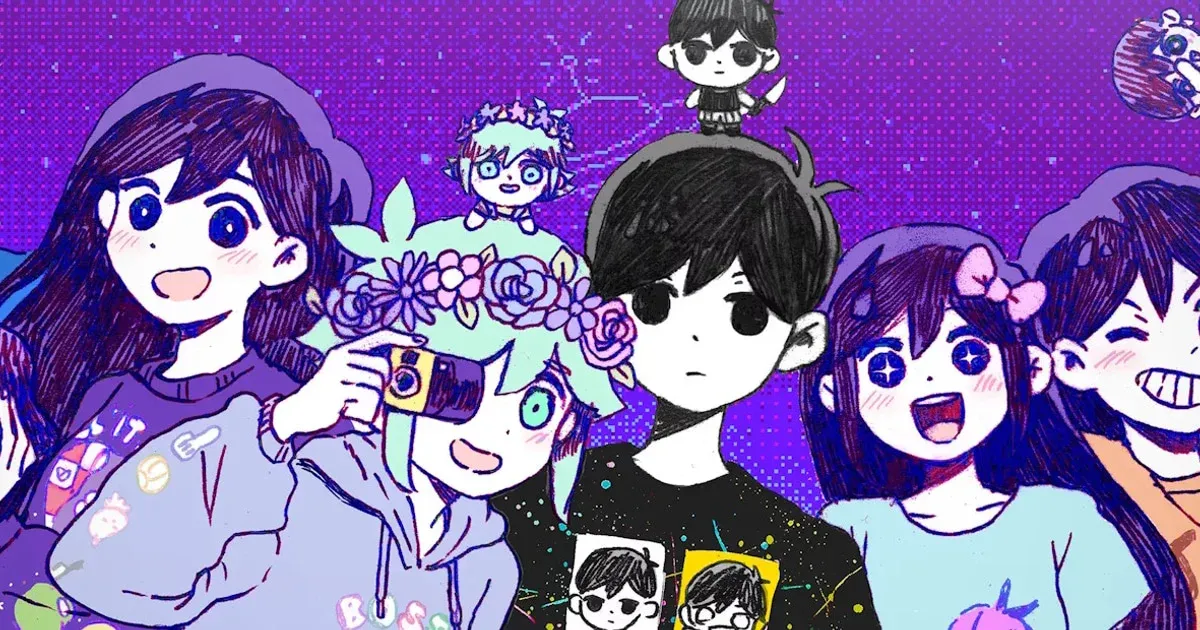
Unlike traditional horror games that rely on jump scares, OMORI uses psychological horror to create unease. Distorted imagery, eerie sound design, and sudden tonal shifts create a constant sense of discomfort.
Moments of fear often come without warning. A once cheerful environment can quickly become dark and unsettling. Familiar characters may appear different, almost unrecognizable. This unpredictability keeps players on edge, reinforcing the idea that the mind itself can be the most frightening place of all.
Emotional Connection and Player Impact
One of the reasons OMORI resonates so strongly with players is its emotional authenticity. The characters feel real, with believable relationships and struggles. Their interactions are not exaggerated—they reflect genuine human emotions.
As players spend more time with the cast, they begin to care deeply about their stories. This emotional connection makes the game’s darker moments even more impactful. The pain feels personal, not distant.
By the end of the journey, players are not just observers—they are emotionally involved, forced to confront difficult themes about memory, responsibility, and healing.
Why OMORI Stays With You
Long after the credits roll, OMORI continues to linger in the minds of players. Its story invites interpretation and discussion, encouraging fans to revisit scenes, analyze symbolism, and share their perspectives.
Few games manage to balance charm and psychological depth as effectively as OMORI. It proves that a game does not need realistic graphics or complex mechanics to deliver a powerful experience. Sometimes, the strongest impact comes from storytelling that dares to explore uncomfortable truths.
Final Thoughts
OMORI is a rare masterpiece that hides a deeply emotional and psychological narrative beneath a deceptively cute exterior. By blending charming visuals with heavy themes like trauma, guilt, and self-acceptance, it creates an experience that is both beautiful and haunting. If OMORI left a lasting impression on you, you can explore OMORI-inspired merchandise, apparel, and collectibles at omorimerch.com and carry a piece of this unforgettable journey with you in your everyday life.
